
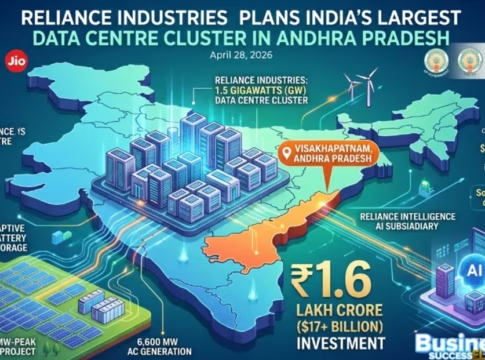

India is on the brink of a digital transformation with its planned data-centre policy, focusing on power, water, and grid costs to shape digital growth. This initiative aims to bolster the country’s digital infrastructure, supporting AI, cloud, and 5G technologies while ensuring sustainability and economic growth. Let’s delve into the key aspects of this policy and its implications for India’s future economy.
Key Highlights
- India’s planned data-centre policy is in the proposal stage, with final details yet to be confirmed.
- Current state-level incentives are in place to attract data-centre investments.
- Electricity cost concerns are significant due to high demand and operational costs.
- Resident protests have emerged over water use and environmental impacts.
- The government estimates significant opportunities for economic growth and job creation.
- Water sourcing and sustainable management are critical components of the policy.
- Grid stability and capacity are essential for supporting data-centre operations.
- Renewable energy adoption is encouraged to ensure cleaner operations.
- The role of hyperscale facilities in India’s digital infrastructure.
- Impact of load factors on grid capacity and stability.
- Electricity tariffs and their effect on competitiveness.
- Cooling requirements and water intensity in data-centre operations.
- Site selection considerations, including environmental and community impacts.
- Externalities associated with data-centre development.
- Power: Assess availability and reliability of electricity supply.
- Water: Evaluate sourcing, reuse, and sustainable management practices.
- Renewables: Incorporate renewable energy sources to reduce carbon footprint.
- Backup Systems: Ensure robust backup power solutions are in place.
- Heat Reuse: Explore opportunities for reusing waste heat.
- Community Impact: Consider local community concerns and environmental impacts.
- Disclosure: Maintain transparency in operations and environmental practices.
- How will data-centre development impact local communities and environments?
- What measures are in place to ensure sustainable water and energy use?
- How can renewable energy adoption be maximized in data-centre operations?
- What are the long-term implications for India’s digital economy?
- What is the primary focus of India’s planned data-centre policy? The policy focuses on power, water, and grid costs to support digital growth.
- How does the policy aim to support economic growth? By creating jobs, attracting investments, and enhancing digital infrastructure.
- What are the environmental concerns associated with data centres? High electricity demand, water use, and potential community impacts.