
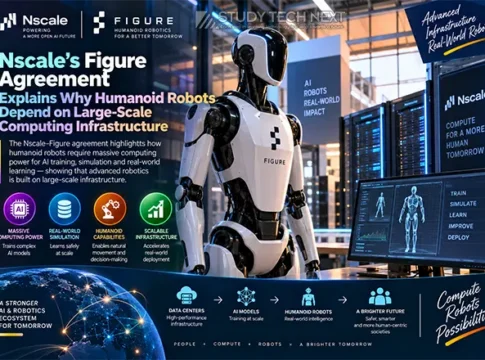

In a groundbreaking move, Nscale has entered into a multiyear agreement valued at $3.5 billion, underscoring the critical role of large-scale computing infrastructure in the development of humanoid robots. This strategic partnership highlights the intricate dependencies between advanced robotics and robust computational resources, setting the stage for significant advancements in the field. As we delve into the specifics of this agreement, we will explore how these resources are pivotal for training, simulation, and model iteration, and why they are indispensable for the future of humanoid robotics.
Key Highlights of Nscale’s Agreement
- Training vs. Inference: Understanding the distinct computational needs for developing and deploying AI models.
- Simulation: The role of high-fidelity simulations in refining robotic capabilities.
- Model Iteration: How iterative processes benefit from scalable computing power.
- Capacity Commitments: The significance of guaranteed computational resources in long-term projects.
- Infrastructure Economics: Evaluating the cost-effectiveness of large-scale computing investments.
- Physical Deployment: Challenges and strategies in deploying computing infrastructure for robotics.
- The difference between contracted compute resources and direct cash investments.
- Energy consumption and utilization risks associated with large-scale computing.
- Dependency risks of humanoid robots on computational infrastructure.
- Technical comparisons of current computing solutions for robotics.
- Key questions buyers should ask when considering robotics solutions.
- FAQs about the future implications of this agreement.
Energy, Utilization, and Dependency Risks While the benefits of large-scale computing are clear, they come with inherent risks. Energy consumption is a significant concern, as is the efficient utilization of resources. Additionally, the dependency of humanoid robots on these infrastructures poses risks if there are disruptions or failures. Nscale’s agreement addresses these challenges by ensuring robust and reliable infrastructure support. Technical Comparisons and Buyer Considerations When evaluating computing solutions for robotics, it is essential to consider factors such as scalability, reliability, and cost-effectiveness. Buyers should ask critical questions about the long-term viability of the infrastructure, the flexibility of resource allocation, and the support for future technological advancements. FAQs and Future Implications“The future of humanoid robotics hinges on the seamless integration of advanced computing infrastructure, enabling unprecedented levels of autonomy and functionality.” – Industry Expert
- What is the primary goal of Nscale’s agreement? To provide the necessary computational resources for the development and deployment of humanoid robots.
- How does this agreement impact the future of robotics? It accelerates the development of more advanced and capable humanoid robots.
- Are humanoid robots ready for household use? While significant progress is being made, household-ready autonomy is not yet a reality.
- What are the risks associated with this dependency? Potential risks include energy consumption, resource utilization, and infrastructure reliability.