
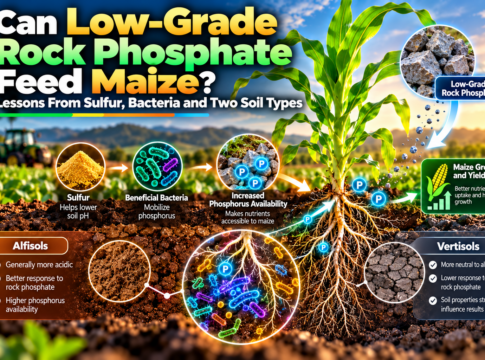

Can low-grade rock phosphate effectively feed maize? This question was explored in a pot experiment conducted on October 1, 2026, comparing nine treatments involving low-grade rock phosphate, sulfur, and phosphate-solubilizing bacteria in Alfisol and Vertisol soils. This study provides insights into the role of sulfur, bacteria, and soil types in enhancing phosphorus availability for maize growth.

Key Highlights
- Study Date: October 1, 2026
- Nine treatments involving low-grade rock phosphate, sulfur, and bacteria
- Soil Types: Alfisol and Vertisol
- Pot experiment setting
- Maize outcomes: Improved growth and yield
- Increased phosphorus availability
- Proposed role of beneficial bacteria
- Field application uncertainty
What You Will Learn
- Phosphate solubility in different soil types
- Impact of soil pH on phosphorus availability
- Sulfur oxidation and its effects
- Microbial mobilization of phosphorus
- Characteristics of Alfisols
- Characteristics of Vertisols
- Nutrient-use efficiency in maize
- Controlled experiment insights
How and Why It Works
Low-grade rock phosphate is often poorly soluble, limiting its effectiveness as a phosphorus source. However, under suitable conditions, soil acidity and microbial metabolites can enhance phosphorus availability. Sulfur helps lower soil pH, while beneficial bacteria mobilize phosphorus, making it accessible to maize.
Practical Applications
For growers, starting with soil testing is crucial. Use locally approved products and begin with small field strips. Follow fertilizer labels, ensure dust protection, and store microbial products properly to maximize benefits.
Limitations and Misconceptions
It’s important to note that pot experiment results are not universal field recommendations. Soil properties can significantly alter responses, and gardeners should avoid culturing unknown bacteria.
Learning Takeaways
- Check soil-input compatibility before application
- Ask field-validation questions to ensure effectiveness
In conclusion, while low-grade rock phosphate can potentially feed maize under controlled conditions, its effectiveness in the field requires careful consideration of soil properties and appropriate management practices.
கீழ்நிலை பாஸ்பேட் மூலம் சோளம் வளர்க்க முடியுமா? சல்பர், பாக்டீரியா மற்றும் இரண்டு மண் வகைகளிலிருந்து கற்றுக்கொள்ளும் பாடங்கள்
கீழ்நிலை பாஸ்பேட் மூலம் சோளம் வளர்க்க முடியுமா? இந்த கேள்வி அக்டோபர் 1, 2026 அன்று நடத்தப்பட்ட ஒரு பானை பரிசோதனையில் ஆராயப்பட்டது, இதில் அல்பிசோல் மற்றும் வெர்டிசோல் மண் வகைகளில் கீழ்நிலை பாஸ்பேட், சல்பர் மற்றும் பாஸ்பேட் கரைப்பான் பாக்டீரியா ஆகியவற்றை உள்ளடக்கிய ஒன்பது சிகிச்சைகள் ஒப்பிடப்பட்டன. இந்த ஆய்வு சல்பர், பாக்டீரியா மற்றும் மண் வகைகள் சோளம் வளர்ச்சிக்கான பாஸ்பரஸ் கிடைக்கும் தன்மையை மேம்படுத்தும் பாத்திரத்தைப் பற்றிய தகவல்களை வழங்குகிறது.
முக்கிய அம்சங்கள்
- ஆய்வு தேதி: அக்டோபர் 1, 2026
- கீழ்நிலை பாஸ்பேட், சல்பர் மற்றும் பாக்டீரியா ஆகியவற்றை உள்ளடக்கிய ஒன்பது சிகிச்சைகள்
- மண் வகைகள்: அல்பிசோல் மற்றும் வெர்டிசோல்
- பானை பரிசோதனை அமைப்பு
- சோளம் விளைவுகள்: மேம்பட்ட வளர்ச்சி மற்றும் விளைச்சல்
- பாஸ்பரஸ் கிடைக்கும் தன்மை அதிகரிப்பு
- பயனுள்ள பாக்டீரியாவின் முன்மொழியப்பட்ட பாத்திரம்
- கள பயன்பாட்டின் அனிச்சை
நீங்கள் என்ன கற்றுக்கொள்வீர்கள்
- விவித மண் வகைகளில் பாஸ்பேட் கரைசல்
- பாஸ்பரஸ் கிடைக்கும் தன்மையில் மண் pH இன் தாக்கம்
- சல்பர் ஆக்சிடேஷன் மற்றும் அதன் விளைவுகள்
- பாஸ்பரஸின் பாக்டீரியல் இயக்கம்
- அல்பிசோல்களின் பண்புகள்
- வெர்டிசோல்களின் பண்புகள்
- சோளத்தில் ஊட்டச்சத்து பயன்பாட்டு திறன்
- கட்டுப்படுத்தப்பட்ட பரிசோதனை தகவல்கள்
எப்படி மற்றும் ஏன் இது வேலை செய்கிறது
கீழ்நிலை பாஸ்பேட் பெரும்பாலும் குறைவாக கரையக்கூடியது, இது பாஸ்பரஸ் மூலமாக அதன் செயல்திறனை வரையறுக்கிறது. எனினும், பொருத்தமான சூழ்நிலைகளில், மண் அமிலத்தன்மை மற்றும் பாக்டீரியல் மெட்டபொலிட்கள் பாஸ்பரஸ் கிடைக்கும் தன்மையை மேம்படுத்த முடியும். சல்பர் மண் pH ஐ குறைக்க உதவுகிறது, அதே நேரத்தில் பயனுள்ள பாக்டீரியா பாஸ்பரஸை இயக்குகிறது, இது சோளத்திற்கு அணுகக்கூடியதாக மாற்றுகிறது.
நடைமுறை பயன்பாடுகள்
விவசாயிகளுக்கு, மண் பரிசோதனையுடன் தொடங்குவது முக்கியம். உள்ளூர் அங்கீகரிக்கப்பட்ட தயாரிப்புகளைப் பயன்படுத்தி சிறிய களப் பட்டைகளுடன் தொடங்கவும். உர லேபிள்களைப் பின்பற்றவும், தூசி பாதுகாப்பை உறுதிசெய்யவும், மற்றும் பாக்டீரியல் தயாரிப்புகளை சரியாக சேமிக்கவும்.
வரையறைகள் மற்றும் தவறான கருத்துக்கள்
பானை பரிசோதனை முடிவுகள் பொதுவான கள பரிந்துரைகள் அல்ல என்பதை நினைவில் கொள்ளுவது முக்கியம். மண் பண்புகள் பதில்களை குறிப்பிடத்தக்க வகையில் மாற்றக்கூடும், மேலும் தோட்டக்காரர்கள் தெரியாத பாக்டீரியாவை வளர்க்கக்கூடாது.
கற்றல் எடுத்துக்காட்டுகள்
- விண்ணப்பத்திற்கு முன் மண்-உள்ளீடு இணக்கத்தன்மையை சரிபார்க்கவும்
- திறன் உறுதிசெய்ய கள-சரிபார்ப்பு கேள்விகளை கேளுங்கள்
முடிவில், கீழ்நிலை பாஸ்பேட் கட்டுப்படுத்தப்பட்ட சூழ்நிலைகளில் சோளத்தை வளர்க்கக்கூடியதாக இருந்தாலும், மண் பண்புகள் மற்றும் பொருத்தமான மேலாண்மை நடைமுறைகளை கவனமாக பரிசீலிப்பது களத்தில் அதன் செயல்திறனை தேவைப்படும்.