
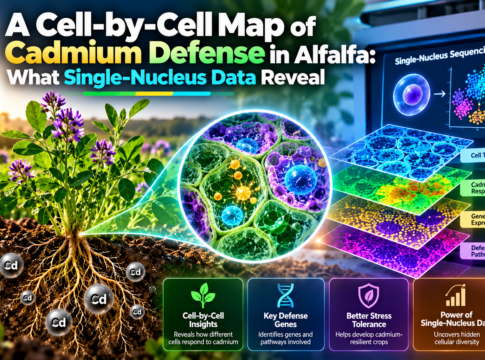

In a groundbreaking study, researchers have unveiled a detailed cell-by-cell map of cadmium defense in alfalfa using advanced single-nucleus sequencing techniques. This research provides new insights into how alfalfa plants respond to cadmium exposure at a cellular level, offering potential pathways for developing cadmium-resilient crops.
Key Highlights
– The study was published in a peer-reviewed journal, highlighting its scientific credibility.
– Three-week-old alfalfa seedlings were used for the experiments.
– Seedlings were exposed to CdCl₂ for five days to simulate cadmium stress.
– Single-nucleus RNA sequencing (snRNA-seq) was employed to analyze gene expression.
– Single-nucleus ATAC sequencing (snATAC-seq) was used to study chromatin accessibility.
– Endodermal cells showed significant defense responses against cadmium.
– Phloem-related gradients were identified as crucial in cadmium transport.
– The study is currently in the validation phase, using yeast and Arabidopsis systems.
What You Will Learn
– Understanding of heavy-metal stress responses in plants.
– Identification of specific cell types involved in cadmium defense.
– Insights into transcriptional changes during cadmium exposure.
– Chromatin accessibility patterns linked to stress responses.
– Mechanisms of cadmium sequestration and detoxification.
– Transport gradients that facilitate cadmium movement within the plant.
– Cross-species validation techniques for confirming findings.
How and Why It Works
The study utilizes paired single-nucleus methods to reveal which cells activate specific genes and regulatory regions during cadmium stress. By isolating individual nuclei, researchers can pinpoint the exact cellular responses, providing a detailed map of gene expression and chromatin accessibility. This approach allows for a comprehensive understanding of how different cell types contribute to the plant’s defense mechanisms.
Practical Applications
For researchers, this study offers a safe data-interpretation activity, allowing them to explore cellular responses without direct exposure to cadmium. Gardeners and agricultural professionals are advised to seek professional soil testing services rather than attempting to expose plants or people to cadmium, ensuring safety and accuracy in soil management.
Limitations and Misconceptions
While the study provides valuable insights, it is important to note that seedling experiments do not directly translate to field remediation, safe fodder production, or human exposure reduction. Additionally, validation using yeast or Arabidopsis is indirect and should be interpreted with caution.
Learning Takeaways
This research represents a significant step in the evidence ladder, moving from molecular candidates to potential field-scale phytoremediation applications. By understanding the cellular mechanisms of cadmium defense, scientists can work towards developing crops that are more resilient to heavy-metal stress, contributing to sustainable agricultural practices.
In conclusion, the cell-by-cell map of cadmium defense in alfalfa offers a promising avenue for enhancing plant resilience through advanced genomic techniques. By leveraging single-nucleus data, researchers can uncover hidden cellular diversity and pave the way for future innovations in crop science.
Key Highlights
குறிப்பிடத்தக்க அம்சங்கள்
– இந்த ஆய்வு ஒரு மதிப்பீடு செய்யப்பட்ட இதழில் வெளியிடப்பட்டது, இதன் அறிவியல் நம்பகத்தன்மையை வெளிப்படுத்துகிறது.
– மூன்று வாரங்கள் வயதான அல்ஃபால்ஃபா செடிகள் பரிசோதனைகளுக்கு பயன்படுத்தப்பட்டன.
– செடிகள் ஐந்து நாட்கள் CdCl₂ க்கு உட்படுத்தப்பட்டன.
– snRNA-seq மூலம் ஜீன் வெளிப்பாடு பகுப்பாய்வு செய்யப்பட்டது.
– snATAC-seq மூலம் குரோமாட்டின் அணுகல் ஆய்வு செய்யப்பட்டது.
– எண்டோடெர்மல் செல்கள் முக்கியமான பாதுகாப்பு பதில்களை காட்டின.
– புளோயம் தொடர்பான சரிவுகள் முக்கியமானவை என அடையாளம் காணப்பட்டன.
– ஆய்வு தற்போது ஈஸ்ட் மற்றும் அரபிடோப்சிஸ் அமைப்புகளைப் பயன்படுத்தி சரிபார்ப்பு நிலையில் உள்ளது.
What You Will Learn
நீங்கள் என்ன கற்றுக்கொள்வீர்கள்
– தீவிர உலோக அழுத்த பதில்களைப் பற்றிய புரிதல்.
– கேட்மியம் பாதுகாப்பில் ஈடுபட்டுள்ள குறிப்பிட்ட செல்கள் அடையாளம் காணப்பட்டன.
– கேட்மியம் வெளிப்பாட்டின் போது மாற்றங்கள்.
– அழுத்த பதில்களுடன் தொடர்புடைய குரோமாட்டின் அணுகல் முறை.
– கேட்மியம் சுருக்கம் மற்றும் நச்சுநீக்கத்தின் செயல்முறைகள்.
– கேட்மியம் இயக்கத்தை எளிதாக்கும் போக்குவரத்து சரிவுகள்.
– கண்டுபிடிப்புகளை உறுதிப்படுத்துவதற்கான குறுக்குவகை சரிபார்ப்பு நுட்பங்கள்.
How and Why It Works
இது எப்படி மற்றும் ஏன் செயல்படுகிறது
இரட்டை ஒற்றை அணு முறைகளைப் பயன்படுத்தி, கேட்மியம் அழுத்தத்தின் போது எந்த செல்கள் குறிப்பிட்ட ஜீன்கள் மற்றும் ஒழுங்குமுறை பகுதிகளைச் செயல்படுத்துகின்றன என்பதை வெளிப்படுத்துகிறது. தனிப்பட்ட அணுக்களை தனிமைப்படுத்துவதன் மூலம், ஆராய்ச்சியாளர்கள் துல்லியமான செல்உருப்படி பதில்களை அடையாளம் காண முடியும், இது ஜீன் வெளிப்பாடு மற்றும் குரோமாட்டின் அணுகல் பற்றிய விரிவான வரைபடத்தை வழங்குகிறது.
Practical Applications
நடைமுறை பயன்பாடுகள்
ஆராய்ச்சியாளர்களுக்கு, இந்த ஆய்வு பாதுகாப்பான தரவுப் பகுப்பாய்வு செயல்பாட்டை வழங்குகிறது, இது கேட்மியத்திற்கு நேரடியாக உட்படாமல் செல்உருப்படி பதில்களை ஆராய அனுமதிக்கிறது. தோட்டக்காரர்கள் மற்றும் வேளாண்மை நிபுணர்கள் மண்ணை மேலாண்மை செய்வதில் பாதுகாப்பையும் துல்லியத்தையும் உறுதிசெய்ய, தங்கள் செடிகளை அல்லது மக்களை கேட்மியத்திற்கு உட்படுத்த முயற்சிக்காமல், தொழில்முறை மண் பரிசோதனை சேவைகளை நாட வேண்டும்.
Limitations and Misconceptions
வரம்புகள் மற்றும் தவறான கருத்துக்கள்
இந்த ஆய்வு மதிப்புமிக்க தகவல்களை வழங்கினாலும், விதைமூலமாக மேற்கொள்ளப்படும் பரிசோதனைகள் நேரடியாக நிலப்பரப்பு சீரமைப்பு, பாதுகாப்பான தீவன உற்பத்தி அல்லது மனித வெளிப்பாட்டை குறைப்பதற்கு நேரடியாக மாற்றப்படாது என்பதை நினைவில் கொள்ள வேண்டும். மேலும், ஈஸ்ட் அல்லது அரபிடோப்சிஸ் பயன்படுத்தி சரிபார்ப்பு மறைமுகமானது மற்றும் கவனத்துடன் விளக்கப்பட வேண்டும்.
Learning Takeaways
கற்றல் எடுத்துக்காட்டுகள்
இந்த ஆராய்ச்சி மூலக்கூறு வேட்பாளர்களிலிருந்து நில அளவிலான பைட்டோமெடியேஷன் பயன்பாடுகளுக்கு செல்லும் முக்கியமான படியாகும். கேட்மியம் பாதுகாப்பின் செல்உருப்படி செயல்முறைகளைப் புரிந்துகொள்வதன் மூலம், விஞ்ஞானிகள் தீவிர உலோக அழுத்தத்திற்கு அதிக எதிர்ப்பு கொண்ட பயிர்களை உருவாக்க வேலை செய்ய முடியும், இது நிலைத்த வேளாண்மை நடைமுறைகளுக்கு பங்களிக்கிறது.
முடிவில், அல்ஃபால்ஃபாவில் கேட்மியம் பாதுகாப்பின் செல்உருப்படி வரைபடம் மேம்பட்ட ஜீனோமிக் நுட்பங்கள் மூலம் செடிகளின் எதிர்ப்புத் திறனை மேம்படுத்துவதற்கான வாக்களிக்கத்தக்க வழியை வழங்குகிறது. ஒற்றை அணு தரவுகளைப் பயன்படுத்துவதன் மூலம், ஆராய்ச்சியாளர்கள் மறைந்த செல்உருப்படி பல்வகைமையை வெளிப்படுத்தி, பயிர் அறிவியலில் எதிர்கால புதுமைகளுக்கு வழிவகுக்க முடியும்.