
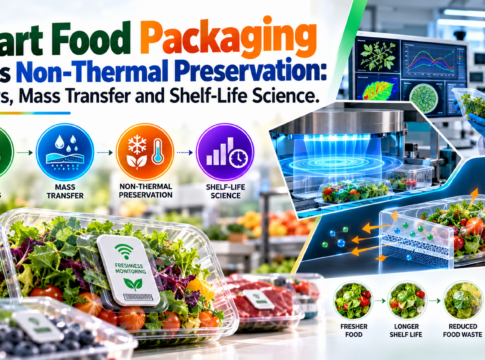

Smart food packaging is revolutionizing the way we preserve and consume food. By integrating non-thermal preservation techniques with advanced sensors and mass transfer science, this innovative approach promises fresher food, longer shelf life, and reduced waste. This article explores the October 8, 2026 review connecting nanocomposite packaging with cutting-edge technologies like pulsed electric fields, cold plasma, ultraviolet treatment, and high-pressure processing.
Key Highlights
- Publication Date: October 8, 2026
- Reviewed Preservation Technologies: Pulsed electric fields, cold plasma, ultraviolet treatment, high-pressure processing
- Active Packaging: Incorporates smart sensors for real-time freshness monitoring
- Gas and Moisture Movement: Controlled through advanced mass transfer techniques
- Sensors: Nanosensors for detecting spoilage and quality changes
- Proposed AI/IoT Links: Enhancing packaging intelligence and connectivity
- Migration Risks: Addressed through stable nanocomposite materials
- Commercial Readiness: Evaluated for scalability and market application
What You Will Learn
- Permeability: Understanding how packaging controls gas exchange
- Diffusion: Mechanisms of moisture and aroma movement
- Interfacial Stability: Ensuring material integrity and safety
- Microbial Inactivation: Achieving safety without heat
- Nanosensors: Role in monitoring and maintaining food quality
- Barrier Films: Enhancing shelf life through advanced materials
- Cold-Chain Monitoring: Ensuring optimal storage conditions
How and Why It Works
Transport phenomena play a crucial role in smart food packaging by affecting the movement of oxygen, water, and aromas. Non-thermal energy methods, such as pulsed electric fields and cold plasma, effectively reduce microbial presence without the need for conventional heating, preserving food quality and nutritional value.
Practical Applications
Food-science students can leverage published data on permeability, migration, temperature, and shelf-life to compare different packaging solutions. This approach allows for safe experimentation without the need for constructing potentially hazardous equipment.
Limitations and Misconceptions
While promising, the transition from laboratory to factory scale presents challenges such as uneven treatment and nanomaterial migration. Additionally, recyclability and regulatory compliance remain critical concerns. It’s important to note that “non-thermal” does not imply zero heat or unlimited safety.
Learning Takeaways
- Technology-Readiness Checklist: Evaluate scalability, safety, and market potential
- Future Research Questions: Explore new materials, methods, and regulatory frameworks
In conclusion, smart food packaging, combined with non-thermal preservation techniques, offers a promising future for food safety and sustainability. By understanding the science behind these innovations, we can better appreciate their potential to transform the food industry.
முக்கிய அம்சங்கள்
- வெளியீட்டு தேதி: அக்டோபர் 8, 2026
- பரிசீலிக்கப்பட்ட பாதுகாப்பு தொழில்நுட்பங்கள்: மின்துடிப்பு, குளிர் பிளாஸ்மா, அல்ட்ராவயலட் சிகிச்சை, உயர் அழுத்த செயலாக்கம்
- செயலில் உள்ள பேக்கேஜிங்: நேரடி تازகத்தன்மை கண்காணிப்புக்கான ஸ்மார்ட் சென்சார்கள்
- வாயு மற்றும் ஈரப்பதம் இயக்கம்: மேம்பட்ட மாஸ் பரிமாற்ற தொழில்நுட்பங்கள் மூலம் கட்டுப்படுத்தப்படுகிறது
- சென்சார்கள்: கெடுதல் மற்றும் தர மாற்றங்களை கண்டறிய நானோசென்சார்கள்
- AI/IoT இணைப்புகள்: பேக்கேஜிங் நுண்ணறிவை மேம்படுத்துதல்
- இடமாற்ற ஆபத்துகள்: நிலையான நானோமிக்ஸ் பொருட்களால் தீர்க்கப்பட்டது
- வணிகத் தயார்நிலை: அளவீடு மற்றும் சந்தை பயன்பாட்டிற்காக மதிப்பீடு செய்யப்பட்டது
நீங்கள் என்ன கற்றுக்கொள்வீர்கள்
- படிகவியல்: பேக்கேஜிங் வாயு பரிமாற்றத்தை எவ்வாறு கட்டுப்படுத்துகிறது என்பதைப் புரிந்துகொள்வது
- விரிதல்: ஈரப்பதம் மற்றும் வாசனை இயக்கத்தின் முறைமைகள்
- இடைத்தள நிலைத்தன்மை: பொருள் ஒருமைப்பாட்டை உறுதி செய்தல்
- நுண்ணுயிர் அழிப்பு: வெப்பமின்றி பாதுகாப்பை அடைவது
- நானோசென்சார்கள்: உணவு தரத்தை கண்காணிக்கவும் பராமரிக்கவும் பங்கு
- தடுப்பு படிகள்: மேம்பட்ட பொருட்களால் ஷெல்ஃபைஃப் அதிகரித்தல்
- குளிர் சங்கிலி கண்காணிப்பு: சிறந்த சேமிப்பு நிலைகளை உறுதி செய்தல்
இது எவ்வாறு, ஏன் செயல்படுகிறது
காற்று, நீர் மற்றும் வாசனைகளின் இயக்கத்தைப் பாதிக்கும் போக்குவரத்து நிகழ்வுகள் ஸ்மார்ட் உணவு பேக்கேஜிங்கில் முக்கிய பங்கு வகிக்கின்றன. மின்துடிப்பு மற்றும் குளிர் பிளாஸ்மா போன்ற வெப்பமற்ற ஆற்றல் முறைகள் பாரம்பரிய சூடாக்கம் தேவையின்றி நுண்ணுயிர்களை குறைக்கின்றன, உணவின் தரம் மற்றும் ஊட்டச்சத்தத்தை பாதுகாக்கின்றன.
நடைமுறைப் பயன்பாடுகள்
உணவு அறிவியல் மாணவர்கள், ஊடுருவல், இடமாற்றம், வெப்பநிலை மற்றும் ஷெல்ஃபைஃப் பற்றிய வெளியிடப்பட்ட தரவுகளைப் பயன்படுத்தி பல்வேறு பேக்கேஜிங் தீர்வுகளை ஒப்பிடலாம். இந்த அணுகுமுறை, பாதுகாப்பற்ற உபகரணங்களை உருவாக்க தேவையின்றி பாதுகாப்பான பரிசோதனைகளை அனுமதிக்கிறது.
வரம்புகளும் தவறான புரிதல்களும்
வாகனத்திலிருந்து தொழிற்சாலை அளவுக்கு மாற்றம் சவால்களை உருவாக்குகிறது, உதாரணமாக, சமமான சிகிச்சை மற்றும் நானோமிக்ஸ் இடமாற்றம். கூடுதலாக, மறுசுழற்சி மற்றும் ஒழுங்குமுறை இணக்கம் முக்கிய கவலைகளாகவே உள்ளன. “வெப்பமற்ற” என்பது பூஜ்ய வெப்பம் அல்லது வரம்பற்ற பாதுகாப்பு என்று பொருளல்ல.
கற்றலின் முக்கியப் பாடங்கள்
- தொழில்நுட்ப-தயார்நிலை சரிபார்ப்பு: அளவீடு, பாதுகாப்பு மற்றும் சந்தை திறனை மதிப்பீடு செய்யவும்
- எதிர்கால ஆராய்ச்சி கேள்விகள்: புதிய பொருட்கள், முறைகள் மற்றும் ஒழுங்குமுறை கட்டமைப்புகளை ஆராயவும்
முடிவில், வெப்பமற்ற பாதுகாப்பு முறைகளுடன் இணைந்த ஸ்மார்ட் உணவு பேக்கேஜிங், உணவு பாதுகாப்பு மற்றும் நிலைத்தன்மைக்கான வாக்குறுதியான எதிர்காலத்தை வழங்குகிறது. இந்த புதுமைகளின் பின்னணியில் உள்ள அறிவியலைப் புரிந்துகொள்வதன் மூலம், உணவு தொழில்துறையை மாற்றும் அவற்றின் திறனை நாங்கள் நன்றாக மதிக்க முடியும்.