
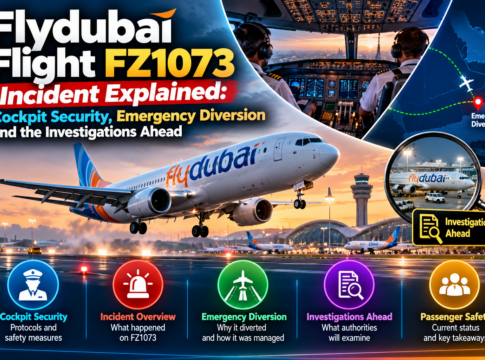

Flydubai Flight FZ1073, en route from Dubai International Airport to Ben Gurion International Airport, experienced a significant incident on September 30, 2026. This article delves into the details of the event, the emergency diversion to Tabuk, Saudi Arabia, and the ongoing investigations by UAE and Saudi authorities. Understanding the layers of aviation security and the processes involved in such incidents is crucial for passengers and industry professionals alike.
Key Highlights
- Incident occurred on September 30, 2026, involving Flydubai Flight FZ1073.
- The flight was scheduled from Dubai International Airport to Ben Gurion International Airport.
- A cockpit altercation led to an emergency diversion to Tabuk, Saudi Arabia.
- Saudi authorities reported 174 passengers and eight crew members on board.
- Flydubai confirmed the safe landing and cooperation with investigations.
- The UAE Attorney-General described the event as an attempted terrorist act on October 3.
- Reuters reported a Saudi aviation-safety investigation on October 7.
- Early reports varied in onboard totals, highlighting material uncertainties.
- Layered aviation security measures and their importance.
- Understanding insider threats and cockpit-access controls.
- The role of crew resource management in crisis situations.
- How emergency diversions are managed and coordinated.
- The significance of air-traffic-control coordination and flight-tracking evidence.
- The role of reserve or positioning crew during emergencies.
- Differences between criminal and aviation-safety investigations.
- Keep your seat belt fastened while seated.
- Read the safety card and locate the nearest usable exits.
- Obey crew instructions and avoid interference or unnecessary filming during emergencies.
- Monitor verified airline and airport updates.
- Preserve booking and expense records after a diversion.
- Contact family through approved channels and avoid unverified social-media claims.
- Chronology of events and source authority.
- Claim attribution and evidence status.
- Conflicting numbers and investigation type.
- Passenger-safety lessons and questions for final reports.
- Possible future implications for crew screening and cross-border information sharing.
- Enhancements in cockpit procedures, emergency training, and regulatory cooperation.