Welcome to Study Tech Next, your go-to source for the latest in technology, finance, science, and education. We bring you up-to-date tech news, detailed stock market insights, and a wide range of study resources designed to empower both learners and professionals.
Welcome to Study Tech Next, your go-to source for the latest in technology, finance, science, and education. We bring you up-to-date tech news, detailed stock market insights, and a wide range of study resources designed to empower both learners and professionals.
Welcome to Study Tech Next, your go-to source for the latest in technology, finance, science, and education. We bring you up-to-date tech news, detailed stock market insights, and a wide range of study resources designed to empower both learners and professionals.
Welcome to Study Tech Next, your go-to source for the latest in technology, finance, science, and education. We bring you up-to-date tech news, detailed stock market insights, and a wide range of study resources designed to empower both learners and professionals.
Discover how cutting-edge single-nucleus sequencing reveals alfalfa's cellular defense against cadmium, offering insights into gene expression and chromatin accessibility. Uncover key mechanisms of heavy-metal stress responses and potential pathways for resilient crops. Read on to explore these groundbreaking findings.
“`html
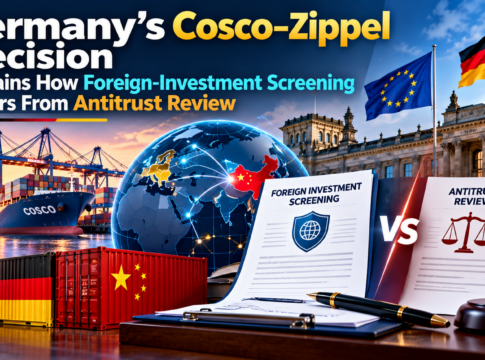
Germany’s recent decision to block Cosco’s proposed acquisition of an 80% stake in logistics company Zippel has sparked significant discussion about the differences between foreign-investment screening and antitrust review. This article delves into the intricacies of the decision, highlighting its implications for international business and regulatory practices.
Key Highlights
Decision Date: October 7, 2026
Proposed Stake: 80% interest in Zippel
Companies Involved: Cosco and Zippel
Logistics Context: Critical infrastructure in Germany
Blocked Status: Acquisition was blocked
Security Rationale: Concerns over national security
Antitrust Distinction: Separate from competition law
Unresolved Commercial Consequences: Impact on future deals
What You Will Learn
Foreign-Direct-Investment Screening: Understanding the process
Antitrust: How it differs from investment screening
Critical Infrastructure: Importance in national security
Beneficial Ownership: Transparency in transactions
Supply-Chain Dependencies: Risks and management
Data Access: Control and security implications
Remedies and Due Process: Legal pathways and protections
How and Why It Works
Competition authorities focus on examining market power and ensuring fair competition, while investment-screening bodies assess security, resilience, and strategic dependencies. This dual approach ensures that both economic and security interests are safeguarded.
Practical Applications
Sector Sensitivity: Evaluate the strategic importance of the sector
Ownership: Assess beneficial ownership and control
Data: Consider data access and security implications
Assets: Identify critical assets involved in the transaction
Jurisdictions: Understand the regulatory landscape
Contingency Plans: Prepare for deal-blocking scenarios
Limitations and Misconceptions
Blocking a deal does not imply buyer misconduct. Antitrust clearance does not guarantee security approval, and assumptions based on national origin are not evidence of risk. Understanding these nuances is crucial for navigating international transactions.
Learning Takeaways
A multi-regulator transaction map is essential for understanding the complex landscape of international business deals. Future policy questions will likely focus on balancing economic interests with national security concerns.
Germany’s Cosco–Zippel decision underscores the importance of distinguishing between foreign-investment screening and antitrust review. By understanding these processes, businesses can better navigate the complexities of international transactions.
FAQs
What is the main difference between foreign-investment screening and antitrust review? Foreign-investment screening focuses on national security and strategic dependencies, while antitrust review examines market power and competition.
Why was the Cosco–Zippel deal blocked? The deal was blocked due to concerns over national security and the strategic importance of the logistics sector.
Does antitrust clearance ensure a deal will proceed? No, antitrust clearance does not guarantee security approval, as both processes assess different aspects of a transaction.
What should businesses consider when planning international transactions? Businesses should evaluate sector sensitivity, ownership, data access, critical assets, jurisdictions, necessary approvals, and potential remedies.
How can businesses prepare for potential deal-blocking scenarios? Developing contingency plans and understanding the regulatory landscape can help businesses navigate potential challenges.
Germany’s Cosco–Zippel decision provides a clear example of how foreign-investment screening and antitrust review serve distinct purposes in regulating international business transactions.
Germany’s Cosco–Zippel Decision Explains How Foreign-Investment Screening Differs From Antitrust Review
ஜெர்மனியின் கோஸ்கோ–சிப்பல் முடிவு வெளிநாட்டு முதலீட்டு திரையிடல் எப்படி நியாயவிலக்கு மதிப்பீட்டிலிருந்து மாறுபடுகிறது என்பதை விளக்குகிறது
ஜெர்மனியின் கோஸ்கோ–சிப்பல் முடிவு வெளிநாட்டு முதலீட்டு திரையிடல் மற்றும் நியாயவிலக்கு மதிப்பீட்டின் வேறுபாடுகளை விளக்குகிறது. இந்த கட்டுரை சர்வதேச வணிகம் மற்றும் ஒழுங்குமுறை நடைமுறைகளின் தாக்கங்களை விளக்குகிறது.
SEO Title: Germany’s Cosco–Zippel Decision: Foreign-Investment vs. Antitrust
Meta Description: Discover how Germany’s decision to block Cosco’s acquisition of Zippel highlights the differences between foreign-investment screening and antitrust review.
Slug: germany-cosco-zippel-decision
SEO Title (Tamil): ஜெர்மனியின் கோஸ்கோ–சிப்பல் முடிவு: வெளிநாட்டு முதலீட்டு vs. நியாயவிலக்கு
Meta Description (Tamil): கோஸ்கோவின் சிப்பல் வாங்குதலை ஜெர்மனி தடை செய்தது வெளிநாட்டு முதலீட்டு திரையிடல் மற்றும் நியாயவிலக்கு மதிப்பீட்டின் வேறுபாடுகளை விளக்குகிறது.
Slug (Tamil): germany-cosco-zippel-decision-tamil
“`