
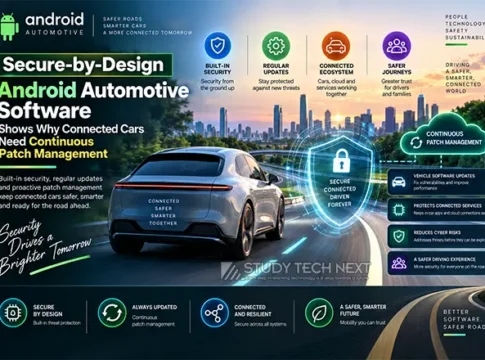

The automotive industry is undergoing a digital transformation, with connected cars becoming the norm rather than the exception. As vehicles become more software-defined, the need for robust security measures becomes paramount. The recent Android Automotive software-defined-vehicle security guidance, released on August 24, 2026, underscores the importance of continuous patch management in ensuring the safety and security of connected cars. This article delves into the intricacies of this guidance, exploring its implications for automakers, suppliers, developers, and drivers alike.
Key Highlights
– **Date of Release:** August 24, 2026
– **Confirmed Processes:** Automated scanning, penetration testing, vulnerability triage
– **Benefits:** Enhanced security through continuous patch management
– **Risks:** Long vehicle lifecycles and third-party component vulnerabilities
– **Availability Boundaries:** Connectivity and update reliability issues
What You Will Learn
– Understanding software-defined vehicles and their security needs
– Identifying attack surfaces in connected cars
– Implementing defense in depth strategies
– The importance of responsible disclosure
– Over-the-air updates and their role in security
The Need for Secure-by-Design in Android Automotive
The Android Automotive security guidance emphasizes a secure-by-design approach, which is crucial for mitigating risks associated with connected vehicles. This approach involves a layered architecture that integrates automated scanning and penetration testing to identify vulnerabilities early in the development process. By prioritizing security from the outset, automakers can reduce the risk of cyberattacks that exploit software vulnerabilities.
Layered Architecture and Automated Scanning
A layered architecture is fundamental to the secure-by-design philosophy. It ensures that each component of the vehicle’s software is independently secure, reducing the likelihood of a single point of failure. Automated scanning tools play a critical role in this architecture by continuously monitoring for vulnerabilities and ensuring that any issues are addressed promptly.
Penetration Testing and Vulnerability Triage
Penetration testing is another vital component of the security strategy. By simulating attacks, developers can identify potential weaknesses and address them before they can be exploited. Vulnerability triage then prioritizes these issues based on severity ratings, ensuring that the most critical vulnerabilities are patched first.
Coordinated Disclosure and Monthly Security Bulletins
Coordinated disclosure is essential for maintaining trust between automakers, suppliers, and consumers. By working together to disclose vulnerabilities responsibly, stakeholders can ensure that patches are developed and deployed efficiently. Monthly security bulletins provide a transparent overview of the current security landscape, keeping all parties informed and prepared.
Challenges and Limitations
Despite the benefits of continuous patch management, several challenges remain. The long lifecycle of vehicles means that software updates must be supported for many years, often beyond the typical support period for consumer electronics. Additionally, the reliance on third-party components can introduce vulnerabilities that are outside the control of the automaker. Connectivity issues and the reliability of over-the-air updates further complicate the patch management process.
What Can We Learn from This Topic?
The automotive industry’s shift towards software-defined vehicles mirrors the evolution seen in smartphones, where regular updates are crucial for security. However, misconceptions about the ease of updating vehicle software persist. Both owners and developers must understand the importance of timely updates and the role they play in maintaining vehicle safety. A vehicle-software lifecycle diagram can help visualize the ongoing need for updates throughout a vehicle’s lifespan.
In conclusion, the Android Automotive security guidance highlights the critical need for continuous patch management in connected cars. By adopting a secure-by-design approach and prioritizing coordinated disclosure, the automotive industry can better protect against cyber threats. As vehicles become increasingly software-defined, the lessons learned from this guidance will be invaluable in ensuring the safety and security of future generations of connected cars.“Continuous patch management is not just a best practice; it’s a necessity for the safety and security of connected vehicles.” – Industry Expert