
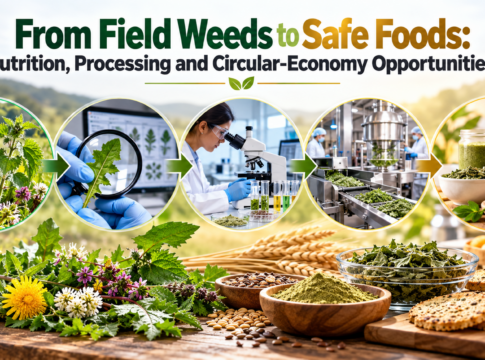

From field weeds to safe foods, the exploration of unconventional plant sources offers a promising avenue for nutrition, processing, and circular-economy opportunities. This review, dated October 9, 2026, delves into the potential of weeds as food, animal-feed ingredients, and value-added raw materials, highlighting both the possibilities and challenges in this innovative field.
Key Highlights
- Review Date: October 9, 2026
- Potential Uses: Food, animal-feed ingredients, value-added raw materials
- Nutritional Potential: Rich in vitamins, minerals, and antioxidants
- Processing Needs: Drying, blanching, fermentation, extraction
- Circular-Economy Value: Reduces waste, promotes sustainability
- Identification Risks: Misidentification can lead to toxicity
- Contaminants: Potential for heavy metals and pollutants
- Regulatory Uncertainty: Lack of clear guidelines for safety
What You Will Learn
- Edible-Species Identification: Techniques and tools
- Antinutrients and Toxins: Understanding and mitigation
- Contamination Routes: How weeds can absorb pollutants
- Processing Techniques: Enhancing safety and usability
- Evidence Assessment: Evaluating scientific studies
How and Why It Works
Weeds capture nutrients from the soil, often thriving in poor conditions where other plants cannot. This resilience makes them rich in essential nutrients. Processing methods like drying, blanching, fermentation, and extraction can enhance their safety and usability by reducing antinutrients and toxins.
Practical Applications
Before considering weeds as food or feed, a safe research and ingredient-evaluation checklist is essential. Always consult experts and never forage or taste an unidentified plant. Proper identification and processing are crucial to ensure safety.
Limitations and Misconceptions
The term “weed” is an ecological label, not an indicator of edibility. The review evidence does not guarantee that every proposed ingredient is safe. Misidentification and contamination are significant risks that require careful management.
Learning Takeaways
This exploration into weeds as food sources highlights the need for future research and a cautious approach. Engaging in non-tasting plant-classification activities can enhance understanding without risk. The potential for circular-economy benefits is significant, but safety must always come first.
From field weeds to safe foods, the journey is filled with opportunities and challenges. By understanding the nutritional potential and processing needs, we can unlock new possibilities for sustainable food sources.
முக்கிய அம்சங்கள்
- மதிப்பீட்டு தேதி: அக்டோபர் 9, 2026
- சாத்தியமான பயன்பாடுகள்: உணவு, மிருக-மீன் உணவுப் பொருட்கள், மதிப்புக் கூடிய மூலப்பொருட்கள்
- போஷண சாத்தியங்கள்: வைட்டமின்கள், கனிமங்கள், மற்றும் ஆன்டிஆக்ஸிடன்ட்களில் செறிந்தவை
- செயலாக்க தேவைகள்: உலர்த்தல், வெந்தல், காய்ச்சல், சுருக்கல்
- சுற்றுச்சூழல் பொருளாதார மதிப்பு: கழிவுகளை குறைக்கிறது, நிலைத்தன்மையை ஊக்குவிக்கிறது
- அடையாள ஆபத்துகள்: தவறான அடையாளம் நச்சுத்தன்மையை ஏற்படுத்தும்
- மாசுபாடுகள்: கனிமங்கள் மற்றும் மாசுபாடுகளின் சாத்தியம்
- ஒழுங்குமுறை அனிச்சை: பாதுகாப்புக்கான தெளிவான வழிகாட்டுதல்கள் இல்லை
நீங்கள் என்ன கற்றுக்கொள்வீர்கள்
- உணவுக்கூடிய இனங்களை அடையாளம் காணுதல்: தொழில்நுட்பங்கள் மற்றும் கருவிகள்
- எதிர்ப்பூச்சிகள் மற்றும் நச்சுகள்: புரிதல் மற்றும் குறைப்பு
- மாசுபாட்டு வழிகள்: களைகள் மாசுபாடுகளை எவ்வாறு உறிஞ்சுகின்றன
- செயலாக்க நுட்பங்கள்: பாதுகாப்பு மற்றும் பயன்பாட்டை மேம்படுத்துதல்
- ஆதார மதிப்பீடு: அறிவியல் ஆய்வுகளை மதிப்பீடு செய்தல்
இது எவ்வாறு, ஏன் செயல்படுகிறது
களைகள் மண்ணிலிருந்து ஊட்டச்சத்துக்களை உறிஞ்சுகின்றன, பல்வேறு சூழ்நிலைகளில் வளரக்கூடியவை. இந்த நிலைத்தன்மை அவற்றை முக்கிய ஊட்டச்சத்துக்களில் செறிந்தவையாக ஆக்குகிறது. உலர்த்தல், வெந்தல், காய்ச்சல், மற்றும் சுருக்கல் போன்ற செயலாக்க முறைகள் அவற்றின் பாதுகாப்பு மற்றும் பயன்பாட்டை மேம்படுத்த உதவுகின்றன.
நடைமுறைப் பயன்பாடுகள்
களைகளை உணவாக அல்லது உணவுப் பொருட்களாக கருதுவதற்கு முன், பாதுகாப்பான ஆராய்ச்சி மற்றும் மூலப்பொருள் மதிப்பீட்டு பட்டியல் அவசியம். எப்போதும் நிபுணர்களை அணுகவும், அடையாளம் காணப்படாத தாவரத்தை எப்போதும் சேகரிக்கவோ சுவைக்கவோ வேண்டாம். சரியான அடையாளம் மற்றும் செயலாக்கம் பாதுகாப்பை உறுதிசெய்ய முக்கியமானவை.
வரம்புகளும் தவறான புரிதல்களும்
“களை” என்பது ஒரு சூழலியல் பெயர், உணவுக்கூடியதற்கான சான்று அல்ல. மதிப்பீட்டு ஆதாரம் ஒவ்வொரு முன்மொழியப்பட்ட மூலப்பொருளும் பாதுகாப்பானது என்பதை உறுதிசெய்யாது. தவறான அடையாளம் மற்றும் மாசுபாடு முக்கியமான ஆபத்துகள் ஆகும், அவற்றை கவனமாக நிர்வகிக்க வேண்டும்.
கற்றலின் முக்கியப் பாடங்கள்
களைகளை உணவுப் பொருட்களாக ஆராய்வது எதிர்கால ஆராய்ச்சி மற்றும் கவனமாக அணுக வேண்டிய தேவையை வெளிப்படுத்துகிறது. சுவைக்காத தாவர வகைப்பாட்டுப் பணிகளில் ஈடுபடுவது ஆபத்தின்றி புரிதலை மேம்படுத்த உதவும். சுற்றுச்சூழல் பொருளாதார நன்மைகளுக்கான சாத்தியம் முக்கியமானது, ஆனால் பாதுகாப்பு எப்போதும் முதன்மையாக இருக்க வேண்டும்.
களைகளிலிருந்து பாதுகாப்பான உணவுகளுக்கு, பயணம் வாய்ப்புகளும் சவால்களும் நிறைந்தது. ஊட்டச்சத்து சாத்தியங்கள் மற்றும் செயலாக்க தேவைகளைப் புரிந்து கொண்டு, நிலைத்த உணவுப் பொருட்களுக்கான புதிய சாத்தியங்களை திறக்கலாம்.