
About Us

At Study Tech Next, we’re committed to bringing you insightful, up-to-the-minute content across a spectrum of topics that impact our daily lives.

― Advertisement ―

A Cell-by-Cell Map of Cadmium Defense in Alfalfa: What Single-Nucleus Data Reveal

Discover how cutting-edge single-nucleus sequencing reveals alfalfa's cellular defense against cadmium, offering insights into gene expression and chromatin accessibility. Uncover key mechanisms of heavy-metal stress responses and potential pathways for resilient crops. Read on to explore these groundbreaking findings.
HomeNewsEducationSeaweed-Coated Urea for Maize: What Greenhouse Evidence Says About Nitrogen Uptake and...

Seaweed-Coated Urea for Maize: What Greenhouse Evidence Says About Nitrogen Uptake and the Rhizosphere

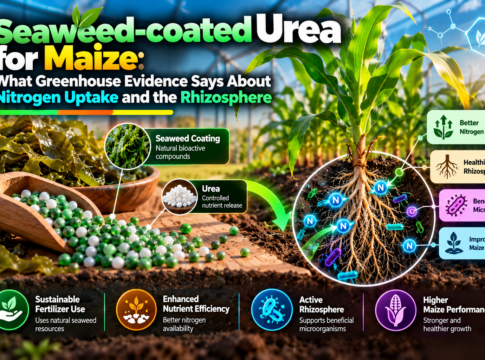
Seaweed-coated urea is emerging as a promising innovation in sustainable agriculture, particularly for maize cultivation. A recent greenhouse study conducted on September 25, 2026, explored the effects of a Kappaphycus alvarezii-derived biostimulant coating on urea. This article delves into the findings, focusing on nitrogen uptake and the rhizosphere’s role in enhancing plant growth. Key Highlights
  • Date: September 25, 2026, greenhouse study.
  • Greenhouse pot design: Controlled environment for precise measurements.
  • LBS27 coating: Derived from Kappaphycus alvarezii, applied to urea.
  • Plant growth and nitrogen measurements: Enhanced uptake observed.
  • Rhizosphere profiling: Detailed analysis of microbial communities.
  • Gene-expression analysis: Insights into plant-microbe interactions.
  • Predicted microbial functions: FAPROTAX used for predictions.
  • Author affiliations: Researchers from Frontiers in Sustainable Food Systems.
What You Will Learn
  • Biostimulants: Role in enhancing nutrient efficiency.
  • Coated fertilizer: Benefits of seaweed-coated urea.
  • Nitrogen uptake: Improved absorption in maize.
  • Root–microbe interactions: Enhanced rhizosphere activity.
  • Amplicon profiling: Techniques for microbial analysis.
  • FAPROTAX prediction: Understanding microbial functions.
  • Conflict-of-interest evaluation: Transparency in research.
How and Why It Works The proposed seaweed coating on urea utilizes natural bioactive compounds to enhance nutrient release. This controlled release improves nitrogen availability, promoting better plant growth. The rhizosphere, enriched with beneficial microorganisms, supports these processes. While direct measurements confirm enhanced nitrogen uptake, inferred functions suggest improved microbial activity and gene expression. Practical Applications For agronomy students, this study provides a product-evidence scorecard, highlighting the benefits of biostimulant-coated fertilizers. Growers are advised to use only locally approved products, apply calibrated rates, wear protective equipment, and conduct small comparison strips to evaluate effectiveness. Limitations and Misconceptions While promising, the study’s findings are based on greenhouse conditions, which may not fully translate to field environments. Environmental nitrogen losses remain partially unestablished, and predicted microbial functions need further validation. Additionally, the study’s authors are affiliated with the product’s development, necessitating careful interpretation without implying misconduct. Learning Takeaways Future research should focus on independent replication and field trials to validate these findings. Questions remain about the scalability of greenhouse results to field conditions and the long-term impacts on soil health and crop yield. In conclusion, seaweed-coated urea presents a sustainable option for enhancing maize growth through improved nitrogen uptake and rhizosphere health. Continued research and field validation will be crucial in realizing its full potential. Key Highlights—முக்கிய அம்சங்கள்
  • தேதி: செப்டம்பர் 25, 2026, பசுமைமண்டப ஆய்வு.
  • பசுமைமண்டப பானை வடிவமைப்பு: துல்லியமான அளவீடுகளுக்கான கட்டுப்படுத்தப்பட்ட சூழல்.
  • LBS27 பூச்சு: Kappaphycus alvarezii-இல் இருந்து பெறப்பட்டது, யூரியாவிற்கு பயன்படுத்தப்பட்டது.
  • தாவர வளர்ச்சி மற்றும் நைட்ரஜன் அளவீடுகள்: மேம்பட்ட உறிஞ்சுதல் காணப்பட்டது.
  • ரிசோஸ்பியர் சுயவிவரம்: நுண்ணுயிர் சமூகங்களின் விரிவான பகுப்பாய்வு.
  • ஜீன்-வெளிப்பாடு பகுப்பாய்வு: தாவர-நுண்ணுயிர் தொடர்புகளின் உள்ளடக்கம்.
  • முன்னறியப்பட்ட நுண்ணுயிர் செயல்பாடுகள்: FAPROTAX மூலம் முன்னறியப்பட்டது.
  • ஆசிரியர் தொடர்புகள்: நிலைத்த உணவு அமைப்புகளில் முன்பணியாளர்கள்.
What You Will Learn—நீங்கள் என்ன கற்றுக்கொள்வீர்கள்
  • உயிர்த்தூண்டிகள்: ஊட்டச்சத்து திறனை மேம்படுத்தும் பங்கு.
  • பூச்சு உரம்: கடல்பாசி பூச்சு யூரியாவின் நன்மைகள்.
  • நைட்ரஜன் உறிஞ்சுதல்: சோளத்தில் மேம்பட்ட உறிஞ்சுதல்.
  • வேர்-நுண்ணுயிர் தொடர்புகள்: மேம்பட்ட ரிசோஸ்பியர் செயல்பாடு.
  • ஆம்ப்ளிகான் சுயவிவரம்: நுண்ணுயிர் பகுப்பாய்விற்கான நுட்பங்கள்.
  • FAPROTAX முன்னறிவு: நுண்ணுயிர் செயல்பாடுகளைப் புரிந்துகொள்வது.
  • மோதல்-விருப்ப மதிப்பீடு: ஆராய்ச்சியில் வெளிப்படைத்தன்மை.
How and Why It Works—இது எப்படி மற்றும் ஏன் செயல்படுகிறது யூரியாவில் கடல்பாசி பூச்சு இயற்கை உயிரியல் செயற்கூறுகளைப் பயன்படுத்தி ஊட்டச்சத்து வெளியீட்டை மேம்படுத்துகிறது. இந்த கட்டுப்படுத்தப்பட்ட வெளியீடு நைட்ரஜன் கிடைக்கும் தன்மையை மேம்படுத்துகிறது, இது தாவர வளர்ச்சியை மேம்படுத்துகிறது. நன்மை பயக்கும் நுண்ணுயிர்களால் செறிந்த ரிசோஸ்பியர் இந்த செயல்முறைகளை ஆதரிக்கிறது. நேரடி அளவீடுகள் மேம்பட்ட நைட்ரஜன் உறிஞ்சுதலை உறுதிப்படுத்தினாலும், inferred செயல்பாடுகள் மேம்பட்ட நுண்ணுயிர் செயல்பாடு மற்றும் ஜீன் வெளிப்பாட்டை முன்மொழிகின்றன. Practical Applications—நடைமுறை பயன்பாடுகள் விவசாய மாணவர்களுக்கு, இந்த ஆய்வு உயிர்த்தூண்டி பூச்சு உரங்களின் நன்மைகளை வெளிப்படுத்தும் ஒரு தயாரிப்பு-ஆதார அட்டவணையை வழங்குகிறது. வளர்ப்பவர்கள் உள்ளூர் அங்கீகரிக்கப்பட்ட தயாரிப்புகளை மட்டுமே பயன்படுத்தவும், அளவீட்டு விகிதங்களைப் பயன்படுத்தவும், பாதுகாப்பு உபகரணங்களை அணியவும், மற்றும் சிறிய ஒப்பீட்டு துண்டுகளை நடத்தவும் அறிவுறுத்தப்படுகிறார்கள். Limitations and Misconceptions—வரம்புகள் மற்றும் தவறான கருத்துக்கள் வாக்களிக்கத்தக்கது, இந்த ஆய்வின் கண்டுபிடிப்புகள் பசுமைமண்டப நிலைகளின் அடிப்படையில் உள்ளன, இது புல நிலைகளுக்கு முழுமையாக மாற்றப்படாது. சுற்றுச்சூழல் நைட்ரஜன் இழப்புகள் பகுதியளவில் நிறுவப்படவில்லை, மேலும் முன்னறியப்பட்ட நுண்ணுயிர் செயல்பாடுகள் மேலும் சரிபார்க்கப்பட வேண்டும். கூடுதலாக, ஆய்வின் ஆசிரியர்கள் தயாரிப்பின் மேம்பாட்டுடன் தொடர்புடையவர்கள், தவறான நடத்தை குறிக்காமல் கவனமாக விளக்க வேண்டும். Learning Takeaways—கற்றல் எடுத்துக்காட்டுகள் எதிர்கால ஆராய்ச்சி இந்த கண்டுபிடிப்புகளை சுயாதீனமாக மீண்டும் உருவாக்குதல் மற்றும் புல பரிசோதனைகளில் கவனம் செலுத்த வேண்டும். பசுமைமண்டப முடிவுகளை புல நிலைகளுக்கு அளவீடு செய்வது மற்றும் நிலத்திற்கான நீண்டகால தாக்கங்கள் மற்றும் பயிர் விளைச்சல் பற்றிய கேள்விகள் மீதமுள்ளது. முடிவில், கடல்பாசி பூச்சு யூரியா மேம்பட்ட நைட்ரஜன் உறிஞ்சுதல் மற்றும் ரிசோஸ்பியர் ஆரோக்கியத்தின் மூலம் சோள வளர்ச்சியை மேம்படுத்த ஒரு நிலையான விருப்பத்தை வழங்குகிறது. அதன் முழு திறனை உணர்வதில் தொடர்ந்த ஆராய்ச்சி மற்றும் புல சரிபார்ப்பு முக்கியமாக இருக்கும்.