
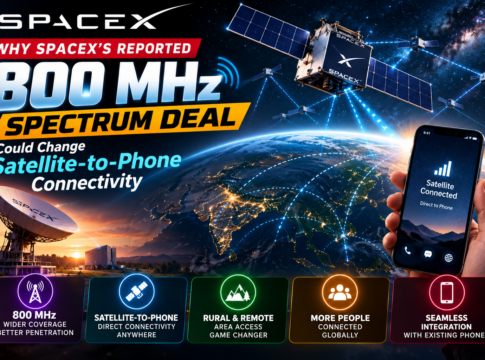

SpaceX’s recent move to acquire Grain Management’s nationwide US low-band spectrum portfolio marks a significant milestone in the realm of satellite-to-phone connectivity. This strategic acquisition, subject to regulatory approval, could redefine how we perceive mobile communication, especially with the integration of Starlink Mobile. In this article, we delve into the implications of this deal, exploring its potential to transform connectivity and what it means for consumers and the industry at large.
Key Highlights
– SpaceX has reportedly agreed to acquire Grain Management’s nationwide US low-band spectrum portfolio for Starlink Mobile.
– The deal is valued at an undisclosed amount, reflecting its strategic importance.
– The acquisition is subject to approval by the Federal Communications Commission (FCC).
– Claims suggest that the spectrum will enhance handset compatibility with Starlink Mobile services.
– Low-band spectrum is known for its superior propagation characteristics, offering extensive coverage.
– Details regarding the rollout and integration of this spectrum remain unresolved.
What You Will Learn
– The intricacies of spectrum licensing and its impact on mobile networks.
– How low-band spectrum enhances signal propagation over long distances.
– The potential for direct-to-device satellite links and their benefits.
– Improved indoor penetration capabilities of low-band frequencies.
– Capacity and latency considerations in satellite-to-phone connectivity.
– Compatibility of existing handset bands with new spectrum allocations.
How and Why It Works
Low-band frequencies, such as the 800 MHz spectrum, are renowned for their ability to travel longer distances and penetrate obstacles like buildings and foliage. This makes them ideal for providing widespread coverage, especially in rural and remote areas. However, these frequencies come with trade-offs in terms of capacity. While they offer extensive reach, they may not support the same data throughput as higher frequency bands, which can handle more simultaneous connections and higher data rates.
Practical Applications
– Ensure your device supports the 800 MHz band for optimal connectivity.
– Check for software updates that may enable compatibility with Starlink Mobile services.
– Verify regional support for the new spectrum to ensure service availability.
– Consider the benefits of improved indoor coverage when choosing a service provider.
Limitations and Misconceptions
Owning spectrum is just one piece of the puzzle in creating a functional network. While SpaceX’s acquisition is a significant step, it does not automatically translate into a working satellite-to-phone service. Standard phones may still require software updates, certification, and regional support to fully utilize the new spectrum. Additionally, the integration of satellite and terrestrial networks presents technical challenges that must be addressed to ensure seamless connectivity.
Learning Takeaways
– How does satellite-to-phone connectivity compare with traditional terrestrial services?
– What are the potential benefits and limitations of low-band spectrum in mobile networks?
– How might regulatory approvals impact the rollout of new connectivity solutions?
In conclusion, SpaceX’s reported acquisition of the 800 MHz spectrum could be a game-changer for satellite-to-phone connectivity, offering enhanced coverage and new possibilities for mobile communication. However, the journey from spectrum acquisition to a fully operational network involves numerous steps and considerations. As the industry evolves, staying informed about these developments will be crucial for consumers and stakeholders alike.